
Exploring the psychological impacts of gambling a deep dive into mind and behavior
The Nature of Gambling and Its Appeal
Gambling has long been a favored pastime for many individuals, captivating players with the promise of excitement and the allure of potential wealth. The psychological appeal stems from various factors, including the thrill associated with risk-taking and the intermittent reinforcement of rewards. This means that the sporadic wins can create a powerful feedback loop, compelling players to engage in further gambling to chase that elusive win. The emotional highs and lows that come with gambling contribute significantly to its ongoing appeal, drawing people back time and again. Many now prefer online options, and sites like VibeSpins.bet/ offer an approachable platform for enjoying various games and betting experiences.
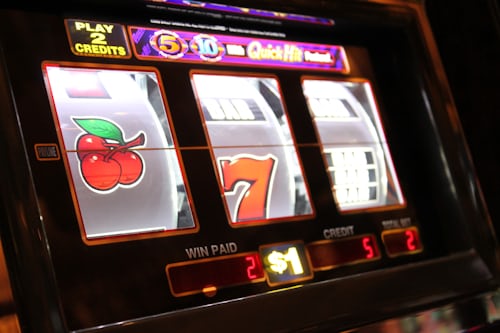
Understanding the cognitive biases that underlie gambling behavior is crucial. Players often fall prey to the gambler’s fallacy, believing that past events can influence future outcomes. This erroneous thinking can lead individuals to chase losses or overestimate their chances of winning, fueling a cycle of compulsive gambling. Additionally, the excitement of uncertainty can trigger the brain’s reward system, releasing dopamine and reinforcing the desire to continue gambling despite negative consequences.
The contrast between online and offline gambling environments also plays a significant role in shaping the psychological experience. Online platforms often provide instant gratification with easy access and convenience, which can amplify compulsive tendencies. In contrast, traditional gambling settings, such as casinos, offer a more social atmosphere that may mitigate some harmful behaviors, but can also create unique pressures that compel individuals to gamble more than intended.
The Psychological Effects of Gambling Addiction
Gambling addiction is a serious concern, impacting not just the individual but also their families and communities. The psychological effects can manifest in numerous ways, including anxiety, depression, and feelings of guilt or shame. As individuals become entrenched in their gambling habits, they may prioritize gambling over essential responsibilities, leading to deteriorating relationships and financial instability. This cycle often exacerbates existing mental health issues, creating a challenging scenario for both the individual and their loved ones.
Individuals suffering from gambling addiction may experience a distorted sense of reality, leading them to justify their behavior. They might cling to the notion of being able to win it all back, further entrenching themselves in denial about the impact of their gambling. This cognitive distortion can create a rift between the individual and their social support network, resulting in isolation and further psychological distress.
Moreover, the onset of gambling addiction can result in changes in brain chemistry. Chronic gambling can lead to alterations in the reward pathways of the brain, making it increasingly difficult for individuals to experience pleasure from non-gambling activities. Consequently, this can lead to a vicious cycle where the individual is compelled to gamble more to feel any sense of satisfaction, creating a dependency that is challenging to break.
The Role of Environment in Gambling Behavior
The environment in which an individual gambles significantly influences their psychological experience. Online gambling platforms provide anonymity and 24/7 access, which can foster compulsive behaviors. The lack of face-to-face interaction can reduce accountability, making it easier for individuals to gamble irresponsibly. Additionally, the barrage of advertising and promotional offers can create an environment saturated with temptation, often blurring the lines between casual play and problematic gambling.
On the other hand, offline gambling experiences, such as those in casinos, create a different psychological landscape. The social dynamics present in these environments can affect behavior in unique ways. Social interaction can either serve as a protective factor, providing support and camaraderie, or it can exacerbate risky behavior through peer pressure. The atmosphere of a casino, filled with bright lights and enticing sounds, can also heighten the adrenaline rush associated with gambling, making it challenging for some individuals to exercise self-control.
The psychological impacts of these varying environments are complex and intertwined with individual personality traits. Some individuals may thrive in social gambling settings, finding enjoyment and moderation, while others may struggle with their impulses regardless of the environment. Understanding these nuances is crucial for developing targeted interventions that support individuals in managing their gambling behavior effectively.
The Intersection of Gambling and Mental Health
The relationship between gambling and mental health is multifaceted. Many individuals with gambling problems also struggle with underlying mental health disorders, such as depression or anxiety. This dual diagnosis complicates treatment, as addressing one condition without the other often leads to poor outcomes. Effective interventions must take into account the interplay between mental health and gambling behaviors, providing comprehensive support to those affected.
Behavioral therapies have shown promise in treating gambling addiction, especially when integrated with mental health support. Cognitive Behavioral Therapy (CBT) is particularly effective, helping individuals recognize and change maladaptive thought patterns related to their gambling behavior. By addressing underlying mental health issues concurrently, individuals are better positioned to succeed in their recovery and break free from the cycle of gambling.
Moreover, public awareness campaigns and education about the mental health aspects of gambling can reduce stigma and promote help-seeking behavior. Understanding that gambling addiction is a complex psychological issue can encourage individuals to reach out for support sooner, facilitating early intervention and a better chance at recovery.

VibeSpins: A Responsible Gambling Platform
VibeSpins is committed to creating a safe and enjoyable environment for players, with a strong emphasis on responsible gambling practices. The platform combines an extensive sportsbook and a variety of casino games while ensuring that players have access to robust account management tools. These features empower users to set limits on their gambling activities, promoting a healthier relationship with gaming.
By integrating responsible gambling features, VibeSpins prioritizes player safety and well-being. The platform offers resources for individuals who may be struggling with their gambling habits, including self-exclusion options and access to support organizations. Such initiatives are essential in addressing the psychological impacts of gambling, ensuring that entertainment does not come at the expense of mental health.
Ultimately, VibeSpins seeks to balance excitement and entertainment with a commitment to responsible gaming. By fostering a community that values safety, awareness, and support, the platform contributes positively to the broader conversation surrounding gambling behaviors and their psychological implications.